Things to Do in Andorra
Your guide to Andorra: what to see, eat, and do
Top Things to Do in Andorra
Find activities and tours you'll actually want to do. Book through our partners -- no booking fees.


Plan Your Trip
Essential guides for timing and budgeting
Climate Guide
Best times to visit based on weather and events
View guide →Day Trips
The best excursions and nearby destinations worth the journey
Explore day trips →Where to Stay
Best neighbourhoods, hotel picks, and booking tips
Find hotels →Travel Insurance
What's required, what coverage matters, and how to get a quote
Read guide →What to Pack
Climate-specific gear, essentials, and what to leave at home
See packing list →When Should You Visit Andorra?
Tap a month for weather, crowds, and highlights
View full year-round climate guide →Your Guide to Andorra
About Andorra
Andorra draws travelers for good reason. Whether you are here for a few days or a few weeks, this guide covers the sights, food, logistics, and local knowledge you need to make the most of your time.
Travel Tips
Transportation: Research local transportation options before arriving in Andorra. Public transit, ride-hailing apps, and rental vehicles each have trade-offs depending on where you are headed and how much you want to spend.
Money: Carry local currency for markets and small vendors. ATMs are available in most urban areas but check your bank's foreign transaction fees before you go. Cards work at hotels and larger restaurants.
Cultural Respect: Learn a few words in the local language. Even basics like 'hello' and 'thank you' go a long way. Check dress codes for religious and government sites before visiting.
Food Safety: Eat where locals eat: high turnover means fresh ingredients. Drink bottled water if you are unsure about the tap supply. Street food from busy stalls is usually safe and often the best meal of the day.
When to Visit
The best time to visit Andorra depends on what you want to do. Research seasonal weather patterns, local festivals, and peak tourist periods to find the right window for your trip. Shoulder seasons often offer the best balance of good weather, smaller crowds, and lower prices.
Frequently Asked Questions
Is Andorra a Good Place to Visit?
Andorra punches above its weight for a microstate wedged in the Pyrenees. If you ski or hike, it's a fantastic choice, Grandvalira and Vallnord offer 300+ km of slopes in winter, while summer trails like Coma Pedrosa lead to wild alpine lakes. The duty-free shopping in Andorra la Vella is legitimately appealing if you're after electronics, perfume, or ski gear, though the border queues on weekends can be brutal.
What Are the Best Things to Do in Pas De LA Casa?
Pas de la Casa sits at 2,050m on the French border and is almost entirely built around skiing, it's the way into Grandvalira's largest sector. In winter, après-ski bars like Paddy's and Underground are lively but can feel rowdy. Summer is quieter, with access to high-altitude hiking trails like the Estany de la Pera loop. The town itself is concrete-heavy and purpose-built, so don't expect Pyrenean charm.
What Are the Best Places to Live in Andorra?
Escaldes-Engordany attracts expats for its thermal spas and walkability, while Andorra la Vella offers the most services but heavy traffic. For a quieter base, La Massana balances access to Vallnord skiing with a village feel, and Ordino is prettier still but less connected. Residency requires either starting a business, obtaining a work permit, or making a substantial passive residence investment, consult a local gestor for current thresholds.
Is Shopping in Andorra Really Worth It?
Andorra's duty-free status makes it a magnet for shoppers from Spain and France, for tobacco, alcohol, cosmetics, and electronics. Savings on perfume and high-end ski equipment can reach 20, 30%, but everyday items like groceries won't impress. Meritxell Avenue in Andorra la Vella is the main retail strip. Avoid Saturdays unless you enjoy traffic jams and checkout lines.
What's the Shopping Like in Andorra LA Vella Specifically?
Andorra la Vella's shopping centers around Avinguda Meritxell and Avinguda Carlemany, where duty-free perfume shops, jewelry stores, and electronics outlets line the streets. Pyrenees Andorra and Illa Carlemany are the largest malls, offering everything from Zara to tax-free Chanel. Prices beat neighboring countries on luxury goods and alcohol. But the experience feels more utilitarian than boutique, think suburban mall meets border town.
What Can You Do in Andorra If You Don't Ski?
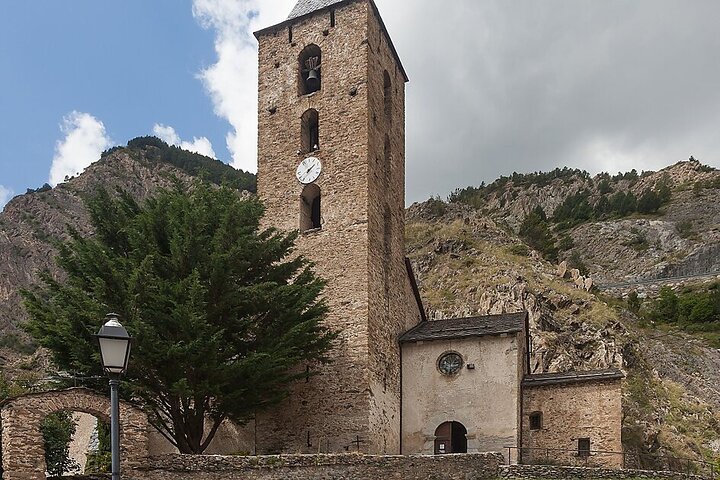
Non-skiers can soak in Caldea's thermal lagoons year-round, hike summer trails to lakes like Estany de Juclar, or explore Romanesque churches such as Sant Joan de Caselles. The Tobotronc toboggan run in Naturlandia is fun for families, and the Via Ferrata del Torn near Ordino has a guided climbing experience without needing technical skills. Winter visitors might also enjoy snowshoeing or simply shopping and spa-hopping in Escaldes.
Can You Ski from Andorra LA Vella?
You can't ski directly from the capital, the nearest lift is about 20 minutes away by car or bus. Andorra la Vella is a base for accessing Grandvalira (via Encamp or Canillo) and Vallnord (via La Massana or Ordino), with public ski buses running regularly in season. Staying in the capital is cheaper and livelier for nightlife, but you'll trade convenience for a daily commute to the slopes.
What Does Tripadvisor Highlight About Andorra LA Vella?
TripAdvisor reviews for Andorra la Vella tend to praise Caldea spa and duty-free shopping while noting the city's lack of historic charm and pedestrian-unfriendly traffic. The old quarter around Plaça del Poble and Casa de la Vall gets positive mentions but is small. Visitors either love the convenience and tax savings or find the capital too commercial, it depends whether you're here to relax and shop or explore culture.
What Is Andorra's Tourism Industry Like?
Tourism accounts for roughly 80% of Andorra's economy, driven by winter skiing, summer hiking, and year-round duty-free shopping. The country sees around 8 million visitors annually, far exceeding its population of 80,000, mostly from Spain, France, and the UK. Infrastructure is well-developed for such a small territory, but over-tourism is visible in traffic congestion and crowded slopes during peak weeks like Christmas and Easter.
What Is Caldea and Is It Worth Visiting?
Caldea (officially Centre Termolúdic Caldea) is Europe's largest mountain spa complex, fed by natural thermal springs at 70°C and cooled to a luxurious 32, 34°C across lagoons, saunas, and Indo-Roman baths. A standard three-hour pass runs around €40; the Inúu adults-only section costs more but is quieter. It's relaxing after a day on the slopes or trails, though weekends and holidays can feel crowded, book online in advance.
Where Is the Mirador Del Collet De Montaup?
This viewpoint sits above Canillo at about 1,600m, accessible via a short detour off the CG-2 road toward El Tarter. It offers sweeping views over the Valira d'Orient valley and the peaks surrounding Grandvalira. There's a small parking area and it's a quick photo stop, five minutes off your route. But not a destination in itself unless you're combining it with a hike in the area.
What Is Andorra Like in Spring?
Spring in Andorra means ski season winding down in late March or early April, with slushy snow and discounted lift passes, followed by wildflower meadows emerging at lower elevations by May. Hiking trails start to clear by mid-May, though high passes like Coma Pedrosa may hold snow into June. It's shoulder season for tourists, so hotels are cheaper and the country feels less frantic. But weather is unpredictable, pack layers.
What Is Andorra Like in October?
October is peak autumn in Andorra, with larch forests turning gold and crisp, clear hiking conditions before winter closes in. Ski resorts are shut, so it's quiet, hotels in ski towns may be closed or offer low rates. The Festes de Meritxell on September 8 may still echo into early October with local celebrations. But overall it's a peaceful, photogenic month good for walkers and cyclists who want the trails to themselves.
How Many Days Should You Spend in Andorra?
Three to four days gives you time to ski or hike one or two areas, soak in Caldea, and explore the capital without feeling rushed. Weekend visitors often do a two-night ski trip, while a full week suits serious skiers tackling both Grandvalira and Vallnord or hikers working through multi-day routes like the Carros de Foc. If you're just passing through for shopping or a spa visit, one night is enough.
Do You Need a Car to Get Around Andorra?
A car is convenient but not essential if you're staying in Andorra la Vella or Escaldes and using ski buses to the resorts. The country is small, end to end takes under an hour. But public buses between parishes run infrequently outside ski season, and mountain trailheads are easier to reach by car. Parking in the capital can be tight on weekends. Many hotels offer garage spaces, sometimes for a fee.
What Should You Pack for a Trip to Andorra?
Layer for dramatic altitude shifts, Andorra la Vella sits at 1,000m, but ski areas and hiking trails reach over 2,500m, where temperatures can drop sharply. In winter, bring proper ski gear or rent locally. In summer, sturdy hiking boots, sun protection, and a waterproof jacket for afternoon storms are essential. The country uses EU plugs (Type C/F), and while Spanish and French cards work everywhere, cash is handy for small mountain refuges.
More Ways to Experience Andorra
Tours, day trips, and local experiences curated by on-the-ground operators.
Didn't see anything interesting yet?
Browse Viator's full catalog of tours, day trips, food experiences, and private guides in Andorra.
See All Andorra Tours on Viator